The Causes of Hip Fractures and How to Reduce the Risk
Hip fractures are a severe injury, especially among older adults, and can significantly impact mobility and quality of life. These fractures often require surgical intervention and lengthy rehabilitation, making prevention crucial. At Orthopedic Health of Kansas City, we are committed to helping patients understand the causes of hip fractures and how to take proactive steps to reduce their risk.
Common Causes of Hip Fractures
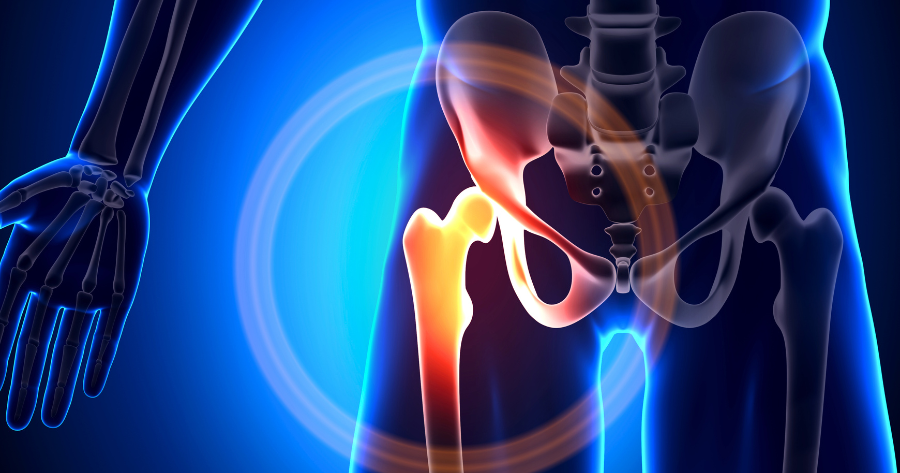
Hip fractures occur when the upper part of the femur (thigh bone) breaks, usually near the hip joint. They can result from a variety of factors, including trauma, underlying health conditions, and lifestyle habits.
1. Falls
Falls are the leading cause of hip fractures, especially among older adults. A simple slip or trip can have serious consequences, particularly for individuals with reduced balance, strength, or bone density. Slippery surfaces, poor lighting, and cluttered living spaces commonly contribute to fall-related injuries.
2. Osteoporosis
Osteoporosis is characterized by weakened bones, making them more susceptible to fractures. This condition is especially prevalent in postmenopausal women due to hormonal changes that accelerate bone loss. As bones lose density, even minor trauma, such as twisting the leg, can result in a fracture.
3. Trauma or Accidents
Severe trauma, such as car accidents or high-impact sports injuries, can cause hip fractures in people of any age. These fractures often occur in younger, healthier individuals who experience significant force on the hip joint.
4. Medical Conditions
Certain medical conditions increase the risk of hip fractures. For example, arthritis, neuromuscular disorders, and vision impairments can compromise mobility, balance, or coordination, increasing the likelihood of falls. Additionally, chronic use of medications like steroids may weaken bones over time.
5. Age and Bone Health
As people age, their bones lose density and strength, making them more prone to fractures. Age-related changes such as reduced balance, slower reaction times, and weaker muscles further contribute to the risk of hip fractures.
How to Reduce the Risk of Hip Fractures
Preventing hip fractures involves addressing fall risk factors and underlying bone health. A proactive approach can significantly reduce the likelihood of experiencing this severe injury.
1. Improve Bone Health
Maintaining strong bones is critical for preventing hip fractures. Regular weight-bearing exercises like walking or strength training can help improve bone density. A diet rich in calcium and vitamin D supports bone health, as these nutrients are essential for maintaining bone strength. Calcium-rich foods include dairy products, leafy greens, and fortified foods, while sunlight and supplements are good sources of vitamin D.
2. Prevent Falls
Fall prevention strategies are crucial to reducing the risk of hip fractures. Modifications in the home, such as securing loose rugs, improving lighting, and installing handrails, can make a big difference. Wearing non-slip footwear and avoiding cluttered spaces can also help reduce fall risks. Balance and strength training exercises, like yoga or tai chi, can enhance stability and coordination.
3. Regular Check-Ups
Routine medical check-ups are essential for identifying and managing risk factors for hip fractures. Screenings for osteoporosis and bone density tests can help detect early signs of bone loss. Medications like bisphosphonates may be prescribed for high-risk individuals to strengthen bones and reduce fracture risk.
4. Manage Chronic Conditions
Managing chronic conditions like arthritis and vision impairments can significantly reduce the risk of falls and fractures. For instance, physical therapy can enhance mobility and decrease joint stiffness, while regular eye exams help maintain clear vision. Staying physically active is one of the best ways to support overall health and lower the risk of hip fractures. Engaging in activities that boost strength, balance, and flexibility is essential for fall prevention and promoting strong bones.
Hip Fracture Specialists in Kansas City
If you or a loved one is at risk of hip fractures, taking early action is crucial. Consulting with a healthcare provider for bone density tests, fall prevention guidance, or treatment for osteoporosis can make a significant difference. Our team at Orthopedic Health of Kansas City specializes in assessing and treating musculoskeletal conditions to keep you healthy and mobile. Contact Orthopedic Health of Kansas City today for expert advice and personalized care. We’ll develop a plan to keep your bones strong and your body moving.