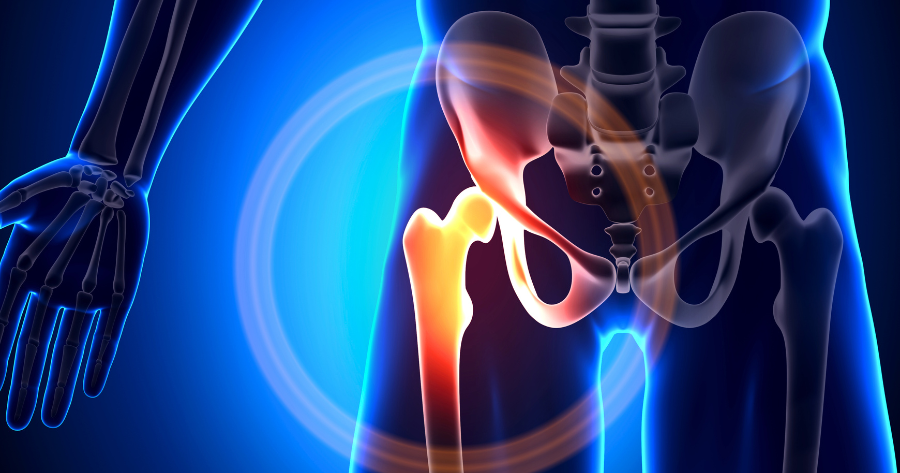
Hip pain can make everyday activities like walking, sitting, or exercising uncomfortable. If you’ve been experiencing stiffness or a pinching sensation in your hip, you may be wondering whether the discomfort will eventually disappear without treatment.
So, does hip impingement go away on its own? Unfortunately, the underlying condition typically doesn’t resolve without treatment. However, there are ways to manage symptoms, reduce discomfort, and protect your hip joint from further damage.
What Is Hip Impingement?
Hip impingement, also called femoroacetabular impingement (FAI), occurs when the bones of the hip joint don’t fit together properly.
Normally, the rounded head of the thigh bone moves smoothly within the hip socket. With hip impingement, differences in bone shape can create abnormal contact during movement, potentially damaging the cartilage or labrum surrounding the joint.
Over time, this friction may contribute to pain, stiffness, and additional joint problems.
What Are the Symptoms of Hip Impingement?
Hip impingement symptoms can develop gradually and may initially be mistaken for muscle soreness or general stiffness.
Common symptoms include:
- Pain in the groin or upper thigh
- Stiffness or reduced hip flexibility
- Discomfort when sitting for extended periods
- Pain when bending, squatting, or exercising
- A pinching sensation during certain hip movements
Some people also experience clicking or catching sensations, particularly when associated with a hip labral tear.
If these symptoms become frequent or begin interfering with your routine, an orthopedic evaluation can help identify the cause.
Can Hip Impingement Heal Without Surgery?
While hip impingement doesn’t typically correct itself, not everyone with the condition needs surgery.
Non-surgical treatments may help relieve symptoms and improve mobility, especially when the condition is identified early.
Common treatment approaches include:
- Activity modification: Avoiding movements that repeatedly cause hip pain or irritation.
- Rest and ice: Helping manage discomfort following physical activity.
- Anti-inflammatory medications: Reducing pain and inflammation when medically appropriate.
- Physical therapy: Strengthening surrounding muscles and improving hip stability and movement.
These treatments can help manage symptoms, but they cannot change the underlying shape of the hip bones.
When Is Surgery Necessary for Hip Impingement?
If conservative treatments aren’t providing adequate relief, surgery may be recommended.
One option is hip arthroscopy, a minimally invasive procedure that allows an orthopedic surgeon to examine and treat problems inside the hip joint through small incisions.
Depending on the condition, surgery may involve reshaping areas of bone that cause impingement or repairing damaged tissue.
The appropriate treatment depends on several factors, including symptom severity, joint damage, and your activity goals.
When Should You See an Orthopedic Specialist?
Persistent hip pain shouldn’t be ignored, particularly when it limits walking, exercise, or other daily activities.
Without appropriate management, hip impingement can sometimes contribute to cartilage damage and conditions such as hip osteoarthritis.
Early evaluation can help determine whether your symptoms are related to hip impingement or another orthopedic condition.
Find Relief with Orthopedic Health of Kansas City
At Orthopedic Health of Kansas City, our experienced hip specialists provide personalized care for hip impingement and other conditions affecting joint mobility.
With treatment options ranging from conservative care to advanced surgical procedures, our goal is to help you reduce pain, improve movement, and return to the activities you enjoy.
Don’t let ongoing hip discomfort limit your daily life. Schedule an appointment with Orthopedic Health of Kansas City to explore your treatment options.